Crypto Wallets Reshaping Margin Calculations in Combined Football and Tennis Wagers Across Mobile Platforms
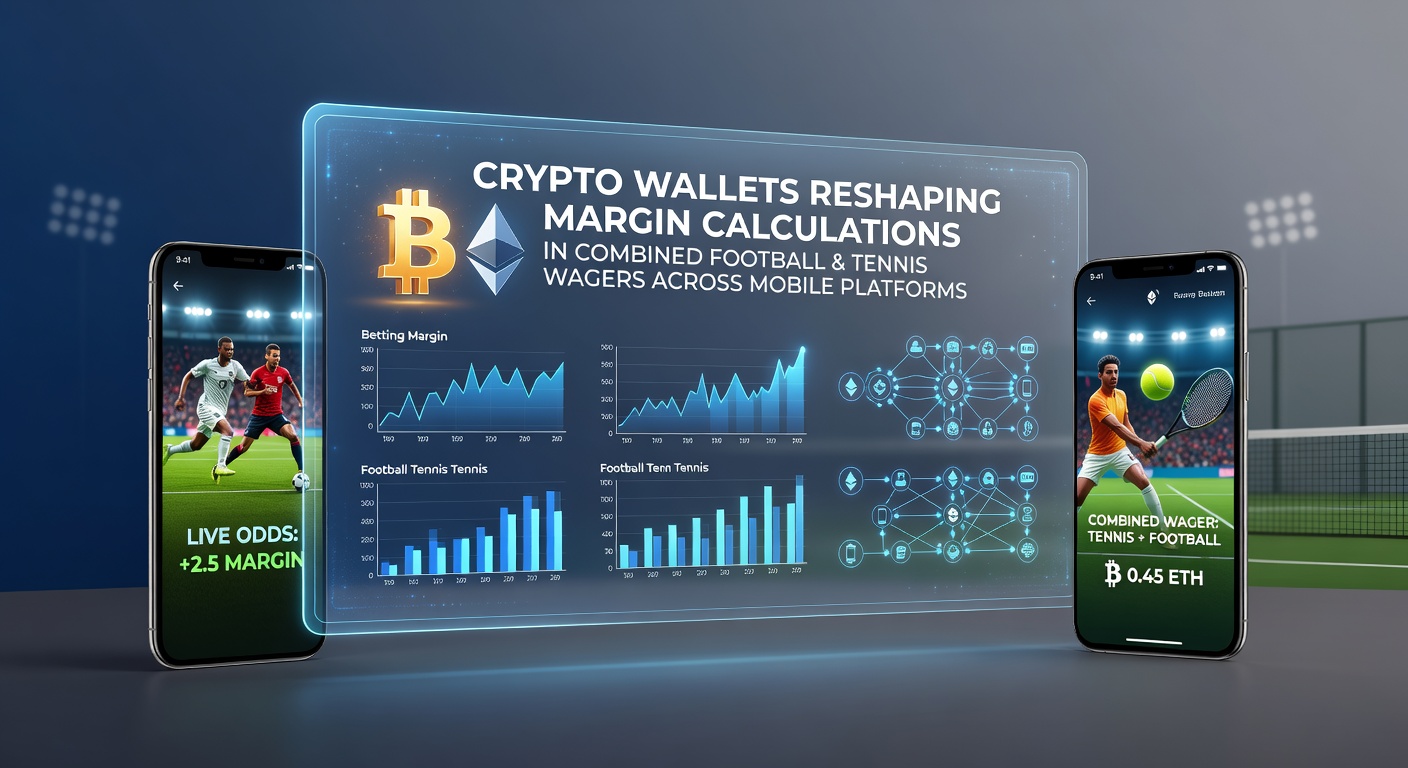
Digital asset transfers through crypto wallets have begun altering the way margins get computed for wagers that pair football results with tennis outcomes on mobile platforms, and operators adjust their models because settlement times drop while volatility patterns shift. Mobile apps now process deposits and withdrawals in seconds rather than hours, which changes the risk parameters that bookmakers apply when they combine legs from different sports into single tickets.
Transaction Speed and Margin Adjustments
Operators recalibrate margins when users fund accounts via wallets that settle on public ledgers, because the reduced lag between deposit and bet placement allows more accurate pricing of combined football and tennis selections. Data from the Bank for International Settlements indicates that blockchain transaction volumes in financial services rose steadily through early 2026, and betting platforms adopted similar rails to keep pace with customer expectations for instant access. Shorter funding windows mean less exposure to price swings in underlying markets, so margins on multi-sport accumulators tighten in some cases while widening in others where liquidity remains thin.
Football matches generate high-volume data feeds that update every few minutes, whereas tennis sets and games move in shorter bursts, and crypto settlement lets platforms sync these feeds without traditional banking delays. Observers note that when both sports appear on the same ticket, the combined margin must account for correlated movements across two distinct event timelines, and wallet speed reduces the buffer that used to cover those correlations.
Mobile Platform Integration
Applications on smartphones now embed wallet connectivity directly into the bet slip, so users select football goals or tennis set winners and fund the stake without leaving the interface. This seamless flow alters how platforms calculate the hold percentage because they face fewer abandoned bets caused by slow transfers. Research published by the Blockchain Research Institute highlights that mobile gambling sessions involving instant settlement show higher completion rates, which in turn lets operators refine their margin formulas based on actual user behavior rather than conservative estimates.
Combined Wager Structures
Tickets that mix a Premier League result with a Grand Slam match require separate probability models for each leg, yet the final margin must reflect the joint distribution. Crypto wallets support atomic swaps that lock funds until both events conclude, and this capability lets platforms reduce the safety cushion they previously built into multi-sport prices. In May 2026 several major apps introduced live margin sliders that update as football injury news arrives while a tennis tie-break unfolds, giving users visibility into how wallet-funded stakes influence the displayed odds.
Those who track these developments point out that margin compression appears most clearly on accumulator bets where the football leg carries higher liquidity than the tennis leg. Faster capital movement allows bookmakers to hedge positions in real time across exchanges, and the cost savings pass partly into tighter holds on the combined product.
Regulatory and Operational Context
Regulators in multiple jurisdictions have begun examining how digital asset rails affect consumer protections in sports betting, and platforms must demonstrate that margin calculations remain transparent when crypto funding is involved. Australian regulatory filings from 2025 show increased scrutiny on cross-border wallet transactions tied to wagering accounts, prompting operators to publish clearer breakdowns of how combined football and tennis margins incorporate settlement risk. These disclosures help users understand why certain multi-sport tickets carry different holds depending on the funding method selected.

Platforms also face new operational questions around volatility reserves. When a wallet transaction occurs during a live football match that overlaps with a tennis final set, the margin model must incorporate potential price movements in the digital asset itself. Operators that maintain stablecoin reserves report smoother adjustments because they avoid direct exposure to token swings, and this approach has gained traction across several mobile-first betting services.
Future Trends and Data Patterns
Industry reports suggest that by late 2026 the share of mobile sports wagers funded through crypto wallets could reach double digits in certain markets, driven by younger users who already manage daily finances on blockchain rails. This growth forces continuous recalibration of margins on combined football and tennis products because historical data sets based on bank transfers no longer capture the new transaction profile. Patterns emerging from aggregated platform data reveal that wallet-funded tickets show slightly lower average stake sizes yet higher frequency, which influences how operators weight the margin across the entire book.
Engineers working on these systems continue to refine algorithms that blend traditional sports analytics with on-chain metrics, and the result appears in more dynamic pricing for accumulators that span racket sports and team ball games. The integration remains iterative, with each major tournament or league round providing fresh data points for margin recalibration.
Conclusion
Crypto wallets continue to modify the mechanics of margin setting for mobile users who place combined football and tennis wagers, and the effects surface most clearly in faster settlement, altered hedging costs, and revised risk buffers. Platforms that adapt their models to these inputs maintain competitive pricing while meeting evolving operational requirements across different regulatory environments. The ongoing convergence of digital asset infrastructure with sports betting apps points toward further refinements in how such multi-sport margins get calculated and displayed to users.