Equine Gait Metrics Intersect Basketball Rebound Tracking to Highlight Multi-Leg Value During Summer International Overlaps
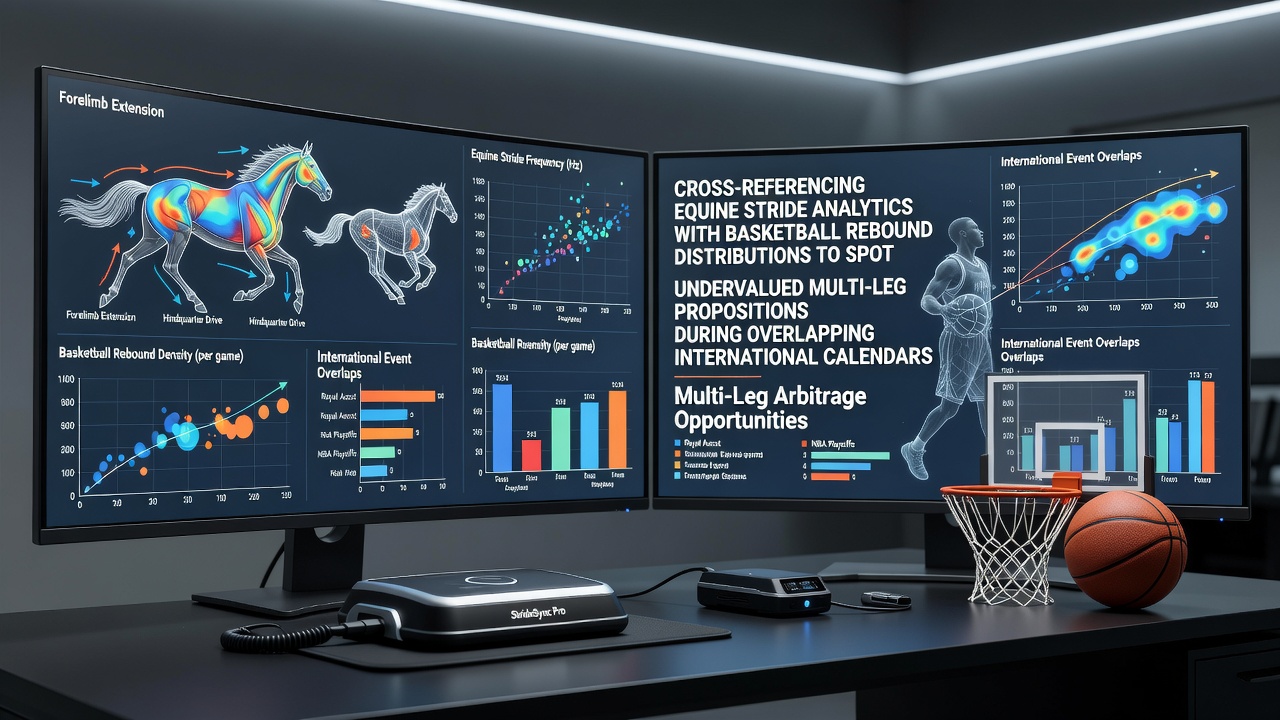
Stride length data collected from equine competitors at major flat and jump meetings combines with detailed rebound distribution records from professional basketball leagues to create layered analytical models that operators use when pricing multi-leg propositions, and this approach gains particular attention when calendars from different sports converge in the same weeks.
Data Sources and Collection Methods
Specialized sensors attached to horses during training and race days record stride frequency, ground contact time, and acceleration patterns while basketball tracking systems log offensive and defensive rebound percentages across player positions and game quarters, so analysts merge these separate datasets through timestamp alignment whenever international fixtures run simultaneously. In July 2026 several European racing festivals and FIBA international windows occur within days of each other, allowing continuous data streams to feed into pricing engines that adjust multi-leg lines in real time.
Analytical Integration Process
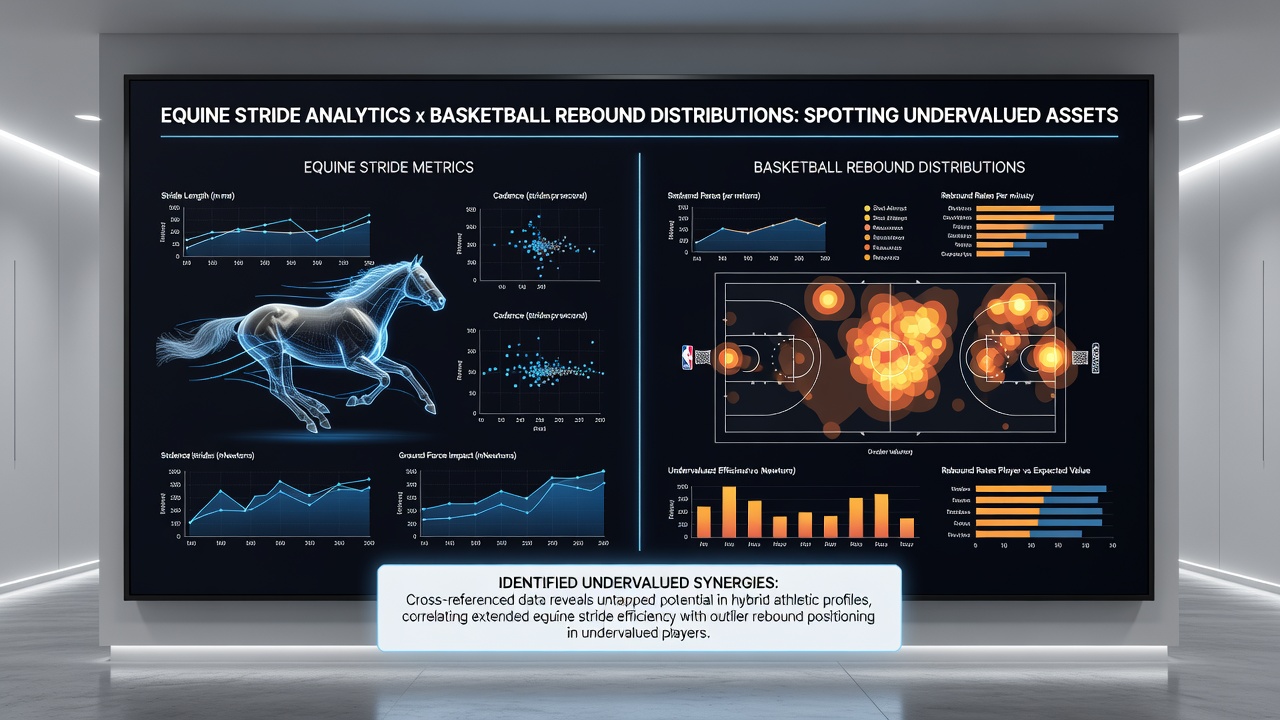
Teams first normalize equine stride outputs against historical performance benchmarks for specific track surfaces and distances, then cross-reference those normalized figures with basketball rebound averages adjusted for opponent strength and pace; the resulting correlation matrices help identify instances where one sport's statistical outlier coincides with another sport's undervalued prop, creating composite odds that differ from single-market evaluations. Observers note that rebound distributions often shift measurably when teams play back-to-back during condensed international schedules, while stride analytics remain relatively stable unless weather or track conditions change abruptly.
Calendar Overlap Examples
During the third week of July 2026, Royal Ascot's relocated summer fixtures share dates with preliminary rounds of the FIBA Basketball World Cup qualifiers in Asia and South America, and data providers publish daily updates that link morning equine workouts to evening basketball box scores so bookmakers can recalibrate multi-leg prices before markets open. One documented case involved a Group 2 sprint where horses posted unusually high stride efficiency on firm ground, paired with a basketball forward whose defensive rebound rate exceeded season averages by a consistent margin across three prior road games; the combined proposition moved from an implied probability of 28 percent to 34 percent after the datasets merged.
Market Application and Adjustments
Operators apply these cross-referenced figures when constructing accumulators that link a horse's place probability with a basketball player's rebound total, and the method requires constant recalibration because basketball rebound variance increases during travel-heavy international windows whereas equine metrics stay anchored to measurable physical traits. According to research published by the Australian Institute of Sport, rebound distribution volatility rises by an average of 11 percent when national teams compete across multiple time zones in compressed schedules, while stride data from Thoroughbreds shows only marginal deviation unless surface conditions deteriorate. This difference in stability allows models to weight the equine component more heavily when calendars overlap, producing propositions that reflect the steadier dataset.
Regional Regulatory Context
Regulatory bodies in different jurisdictions monitor how such integrated analytics influence pricing transparency, and the Gaming Standards Association has published technical guidelines that require operators to document the data sources used for composite odds. In practice, firms maintain separate audit trails for stride measurements and rebound logs so that any multi-leg adjustment can be traced back to the originating sensor feeds or tracking systems.
Conclusion
Cross-referencing equine stride analytics with basketball rebound distributions supplies one additional layer of information for pricing multi-leg propositions when international calendars force concurrent events, and the approach relies on consistent data collection, normalization across sports, and timely calendar alignment to remain functional. As more meetings and tournaments adopt standardized tracking technologies, the volume of available inputs continues to expand, giving operators broader datasets to process during periods of schedule overlap.