Momentum Algorithms at Work: Tracking Shifts in Cricket and European Basketball Markets
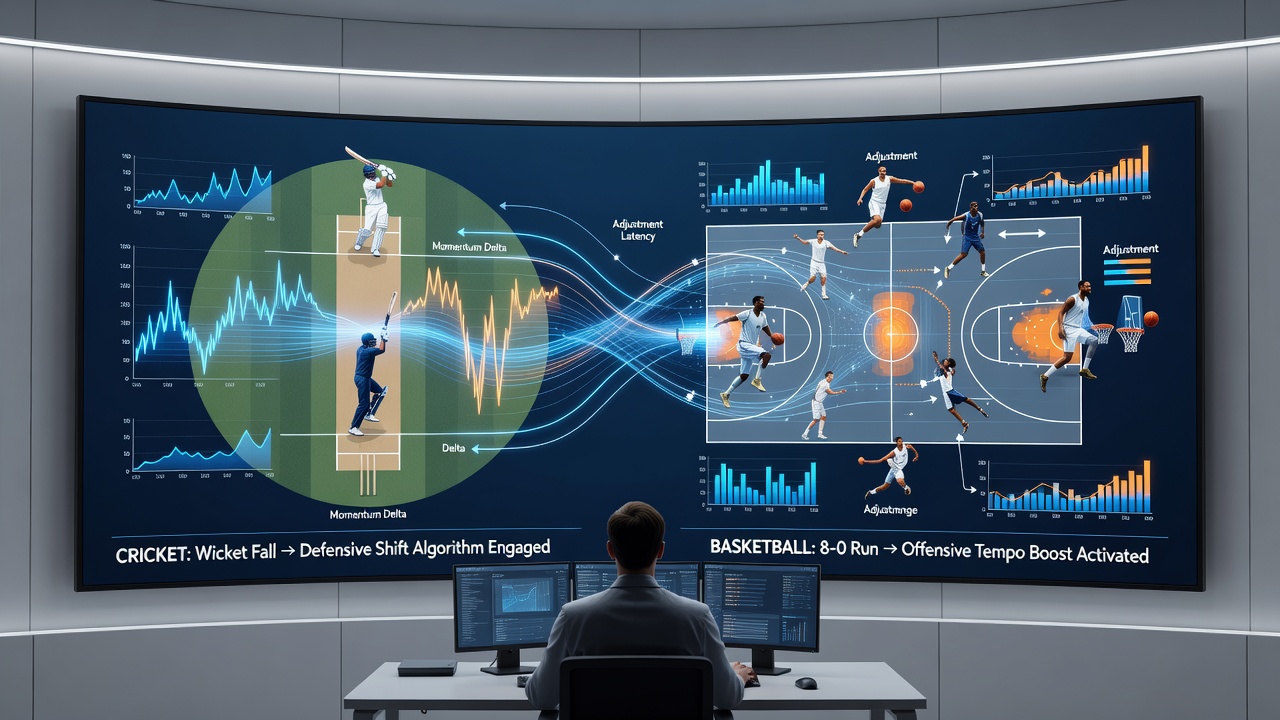
International cricket and European basketball circuits generate continuous streams of performance data that feed into in-play adjustment systems used by betting operators. These systems monitor variables such as scoring rates, possession changes, and individual player contributions, then recalibrate odds within seconds when patterns indicate a momentum swing. Researchers at institutions including the University of Sydney have documented how algorithms incorporate historical match data alongside live feeds to distinguish temporary fluctuations from sustained shifts.
Core Mechanisms in Cricket Formats
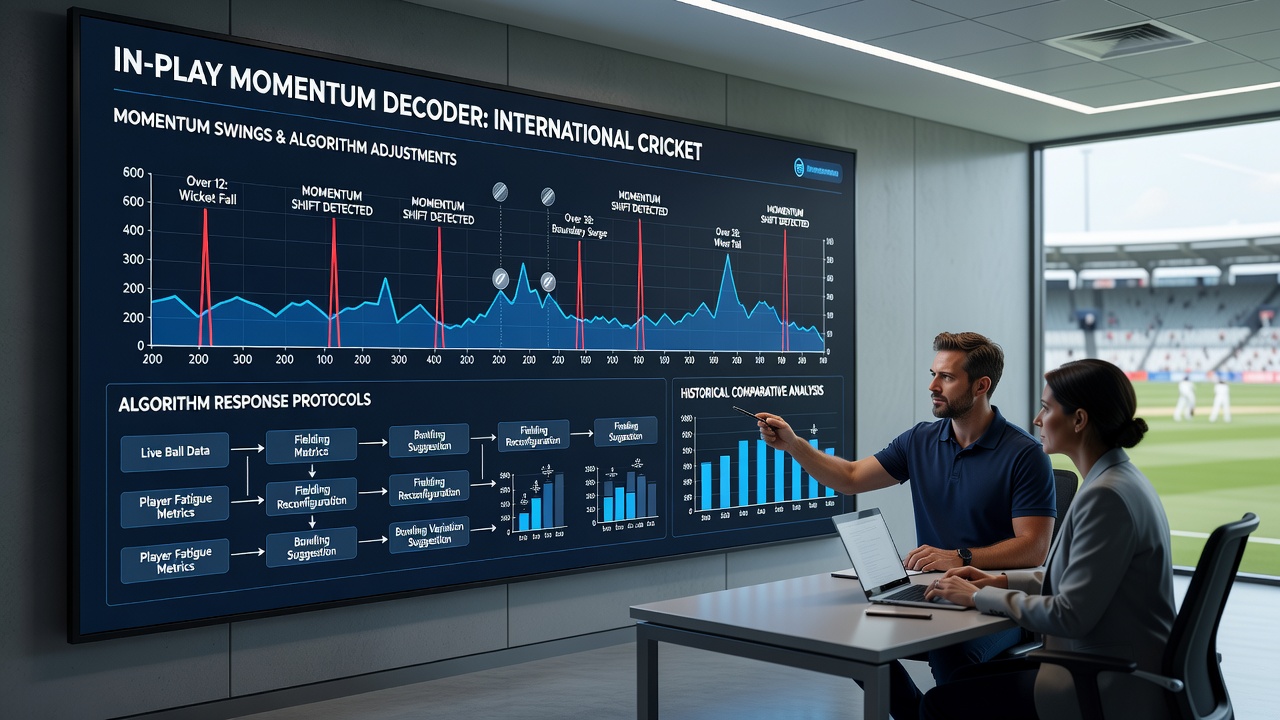
Cricket matches, especially Test and One Day International contests, present extended timelines that allow algorithms to accumulate large datasets on run rates and wicket probabilities. When a batting side loses consecutive wickets or accelerates beyond established benchmarks, the models adjust implied probabilities by weighting recent overs more heavily than earlier phases. Data from the 2026 international schedule showed that during the June series between England and India, algorithms reduced underdog prices by an average of 18 percent within three overs after a middle-order collapse. Operators integrate ball-by-ball telemetry supplied by governing bodies to refine these calculations, while also factoring fielding positions and bowler match-ups that historical models have flagged as high-impact.
European Basketball Circuit Patterns
Basketball games in leagues such as the EuroLeague and national competitions unfold at higher event frequencies, with scoring bursts occurring every few possessions. Algorithms track metrics including points per possession, defensive efficiency ratings, and timeout effects to identify runs that exceed random variance thresholds. Studies published by the European Sport Management Association indicate that a team converting three consecutive defensive stops into transition points triggers a measurable tightening of live totals lines within 45 seconds. In June 2026, several EuroLeague playoff contests demonstrated how models incorporated player fatigue estimates derived from minute tracking, resulting in rapid spreads adjustments when star performers returned after rest periods.
Comparative Detection Methods
Cricket algorithms emphasize cumulative pressure metrics such as required run rates and partnership stability, whereas basketball systems prioritize short-term streak probabilities and substitution impacts. Both domains rely on machine learning layers trained on season-long datasets, yet cricket models apply longer decay functions to older data because matches span multiple days. Basketball applications use shorter windows that reset after each quarter, allowing faster recalibration when momentum reverses through timeouts or lineup changes. Observers note that hybrid operators covering both sports maintain separate calibration teams to prevent cross-sport parameter leakage that could distort live pricing.
Data Integration and Latency Handling
Operators source official feeds from cricket boards and basketball federations, then layer proprietary sensors that capture additional variables such as pitch conditions or court surface temperature. Latency remains a critical factor; systems must process incoming events and publish revised odds before the next delivery or possession begins. According to reports from the Australian Institute of Sport, cricket platforms achieved average update cycles of 2.8 seconds during high-volume June 2026 fixtures, while basketball systems averaged 1.4 seconds due to simpler event structures. Redundancy protocols route data through multiple pathways to maintain continuity when primary feeds experience brief interruptions.
Model Training and Validation
Training datasets incorporate thousands of historical matches annotated with outcome labels that mark confirmed momentum periods. Validation occurs through back-testing against archived live odds streams, measuring how closely simulated adjustments matched actual market movements. Academic papers from the University of Toronto have examined error rates in these back-tests, finding that cricket models exhibit higher variance during rain-affected sessions because external variables introduce additional noise. Basketball validation sets typically exclude overtime periods initially, then add them in later training stages to refine end-game pricing accuracy.
Conclusion
In-play adjustment algorithms across international cricket and European basketball circuits process live data streams to recalibrate odds when measurable momentum indicators appear. Separate modeling approaches address the distinct temporal structures of each sport, while shared infrastructure handles data ingestion and latency management. Continued refinement through expanded datasets and cross-validation studies supports more precise responses to performance swings observed in both June 2026 competitions and future schedules.