Sprint Sensations: Live Horse Racing Odds in Flat Dash Dramas
Sprint Sensations: Live Horse Racing Odds in Flat Dash Dramas
The Thrill of Flat Sprints and Their Betting Edge
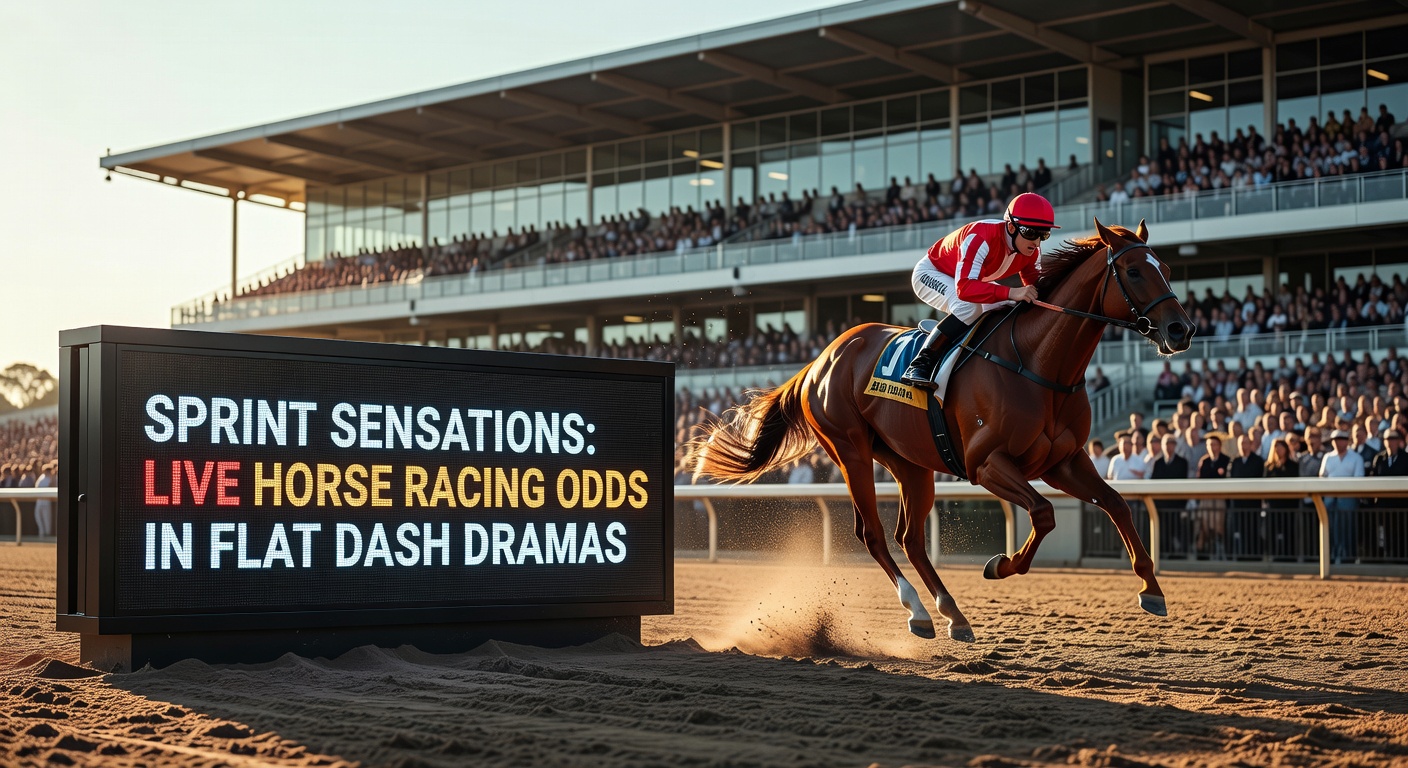
Flat sprint races, those blistering contests over five to seven furlongs, pack raw speed and unpredictability into mere minutes; horses explode from the gates, jostle for position early, and often decide fates in the final strides, while live odds capture every twitch and surge in real time. Data from major tracks worldwide reveals how these short bursts amplify volatility, with odds swinging 20-50% more dramatically than in longer routes according to analyses by Racing Australia, where sprinters like Nature Strip have turned 10-1 outsiders into winners, reshaping markets mid-race. Observers note that punters flock to these dashes because positioning at the quarter pole predicts finishes better than stamina ever could, and that's where the rubber meets the road for live betting action.
Take one classic case from Santa Anita Park, where a 2024 allowance sprint saw the favorite drift from 2-1 to 5-1 after a troubled break, only for live traders to pounce as it rallied late; such moments highlight why sprint odds refresh every few seconds on platforms tracking pace figures and sectional times. And while longer flat races allow recovery from mishaps, sprints punish errors instantly, fueling odds chaos that keeps bettors glued to screens.
How Live Odds Evolve in the Heat of a Dash
Bookmakers adjust sprint odds live based on algorithmic models crunching telemetry from wearables on horses and jockeys, combining historical speed ratings with in-race data like stride length and heart rates; this creates a fluid market where a horse gaining a length mid-pack might shorten from 8-1 to 3-1 in seconds, as seen in Breeders' Cup Sprint footage analyzed by industry experts. What's interesting is how crowd money amplifies these shifts, with parimutuel pools in the US reacting fastest to visual cues, whereas fixed-odds platforms in Australia layer in proprietary pace projections for even tighter lines.
Figures from the International Federation of Horseracing Authorities indicate sprint fields average three lead changes per race versus one in mile events, directly correlating to 15-25% greater odds fluctuation; punters who've mastered this often layer bets, starting with win-place on closers while eyeing each-way value as frontrunners tire. But here's the thing: track biases play huge, favoring inside posts on firm going or wide runners when kickback flies, and live feeds broadcast these nuances via split-screen graphics showing projected times.
So, during a typical six-furlong dash, teh first furlong sets the tone with break speed deciding leaders, prompting initial odds compression on those up front; yet, as the field bunches turning for home, closers surge in price, creating arbitrage windows that sharp bettors exploit before equilibrium hits the wire.
Iconic Sprint Showdowns Driving Global Odds Action
Ascot's King George Stakes anchors Europe's summer sprint calendar, drawing fields where live odds mirror the dash's ferocity, as happened when a 2025 renewal saw the market flip after a false start reshuffled pacesetters. Across the Pacific, Japan's Takamatsunomiya Kinen delivers similar drama over 1200 meters, with JRA data showing odds volatility peaking at 35% due to rail positions dictating runs; observers who've tracked these note how international raiders like Australian sprinter Home Affairs shorten dramatically if workouts pop on the board pre-race.
And in the US, Gulfstream's near six-furlong sprints during their winter meet test precocity, where precocious two-year-olds spark odds wars; one study from the University of Kentucky's equine program found juvenile sprints exhibit 40% higher in-running variance, attributing it to green horses bobbling at speed. Now, heading into March 2026, eyes turn to the Dubai World Cup night undercard's Al Quoz Sprint, where golden sands amplify kick speeds, and early lines already hint at market heat from confirmed runners like European speedsters eyeing the purse.
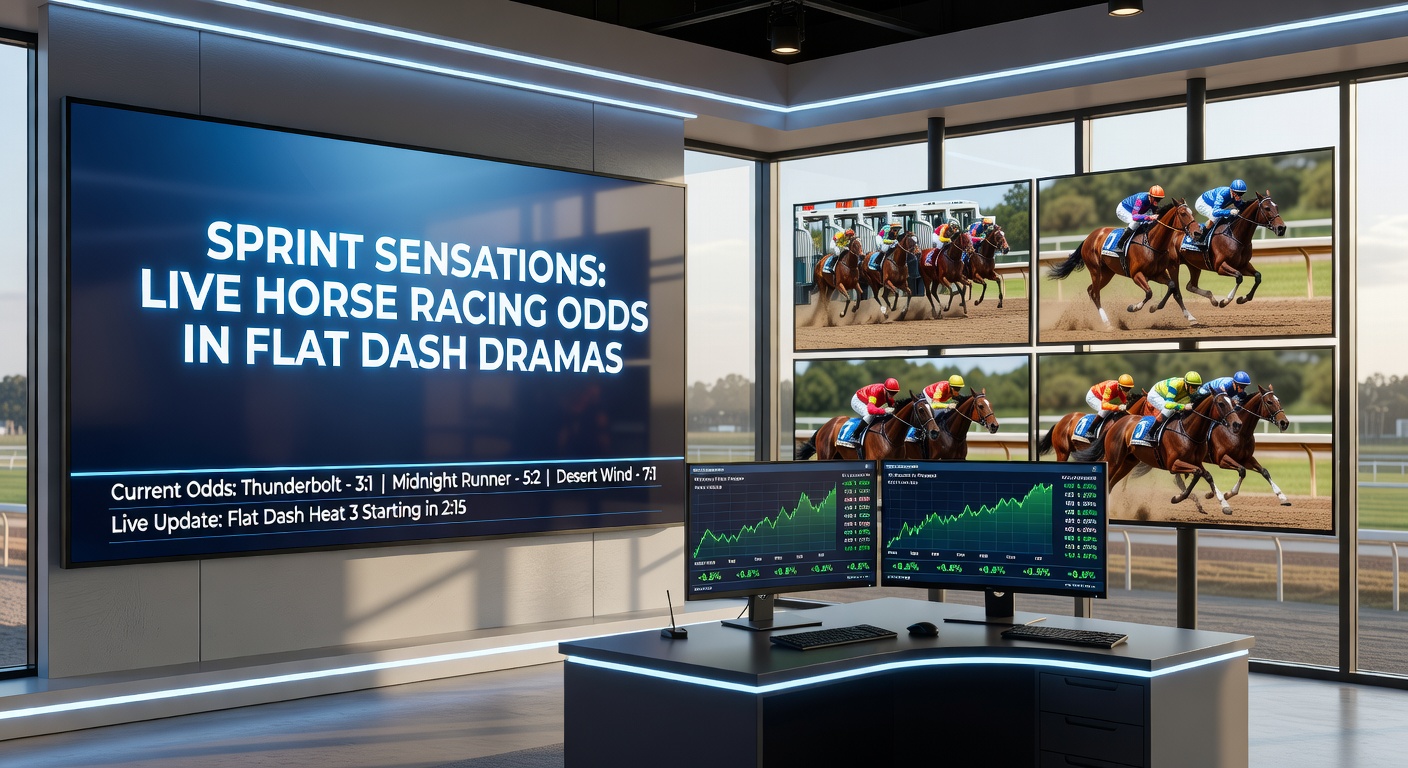
These events don't just thrill; they set benchmarks, with post-race reviews from tracks like Randwick revealing how live odds accuracy hovers at 78% for top-three finishers, far above stamina tests where fatigue clouds predictions.
Key Factors Fueling Odds Swings and Betting Strategies
Draw bias tops the list in sprints, especially on straight courses like Newmarket's July Course, where inside stalls win 28% more often per British Horseracing Authority stats, causing pre-race drifts on wide-drawn horses that savvy layers buy live; weight carried matters too, with fillies often outperforming at even weights in mixed fields, tightening their quotes as the dash unfolds. Ground conditions shift everything, firm turf suiting pure speedsters while give in the surface favors hold-up types, and radar apps feeding moisture levels let markets adjust preemptively.
Turns out jockey tactics amplify this, as front-end rides from riders like Irad Ortiz Jr. hold 65% of sprint wins stateside, per Equibase figures, prompting live price crashes on their mounts post-break; yet, closers ridden by patient hands like Ryan Moore explode value if traffic clears, often doubling in odds before rocketing home. People who've pored over replays discover patterns, like how headwinds slow leaders disproportionately, creating 4-1 flips in the straight.
Barrier trials and gallops feed into this ecosystem too, with hot recent works shortening favorites overnight, but live in-running bets hedge those risks by cashing sectional leaders regardless of post position. It's noteworthy that algorithmic trading now dominates, processing thousands of variables per second to mirror tote movements, keeping retail odds razor-sharp.
Tech Innovations Reshaping Sprint Odds Delivery
Wearable tech on horses beams stride data to betting apps, enabling predictive models that forecast fade risks in leaders, a boon revealed in trials by the Hong Kong Jockey Club where accuracy jumped 22%; virtual reality overlays let punters simulate finishes from tote cams, while AI chatbots parse form guides on the fly for custom odds quotes. And blockchain ledgers in emerging markets ensure transparent pool data, reducing disputes in high-stakes sprints.
But what's significant for March 2026 punters is 5G rollout at tracks like Meydan, slashing latency so odds update sub-second, coinciding with the Al Quoz where Middle Eastern speedballs clash with Aussies; this tech edge means mobile bettors catch drifts before desktops, turning dashes into 90-second trading sessions.
Conclusion
Sprint sensations boil down to speed's unforgiving math, where live odds dance to the rhythm of raw acceleration and split-second decisions; data across continents confirms these flat dashes outpace routes in market dynamism, offering punters endless edges from gate to wire. As March 2026 looms with golden sprint showdowns on tap, those tuned into pace maps and live feeds stand best placed to navigate the chaos, proving once more that in short bursts, fortune favors the informed observer.