UK Betting Public Draws Hard Line on Financial Data Sharing for Gambling Affordability Checks as Racing Sector Sounds Alarm
UK Betting Public Draws Hard Line on Financial Data Sharing for Gambling Affordability Checks as Racing Sector Sounds Alarm

The Push for Stricter Affordability Checks Sparks Immediate Pushback
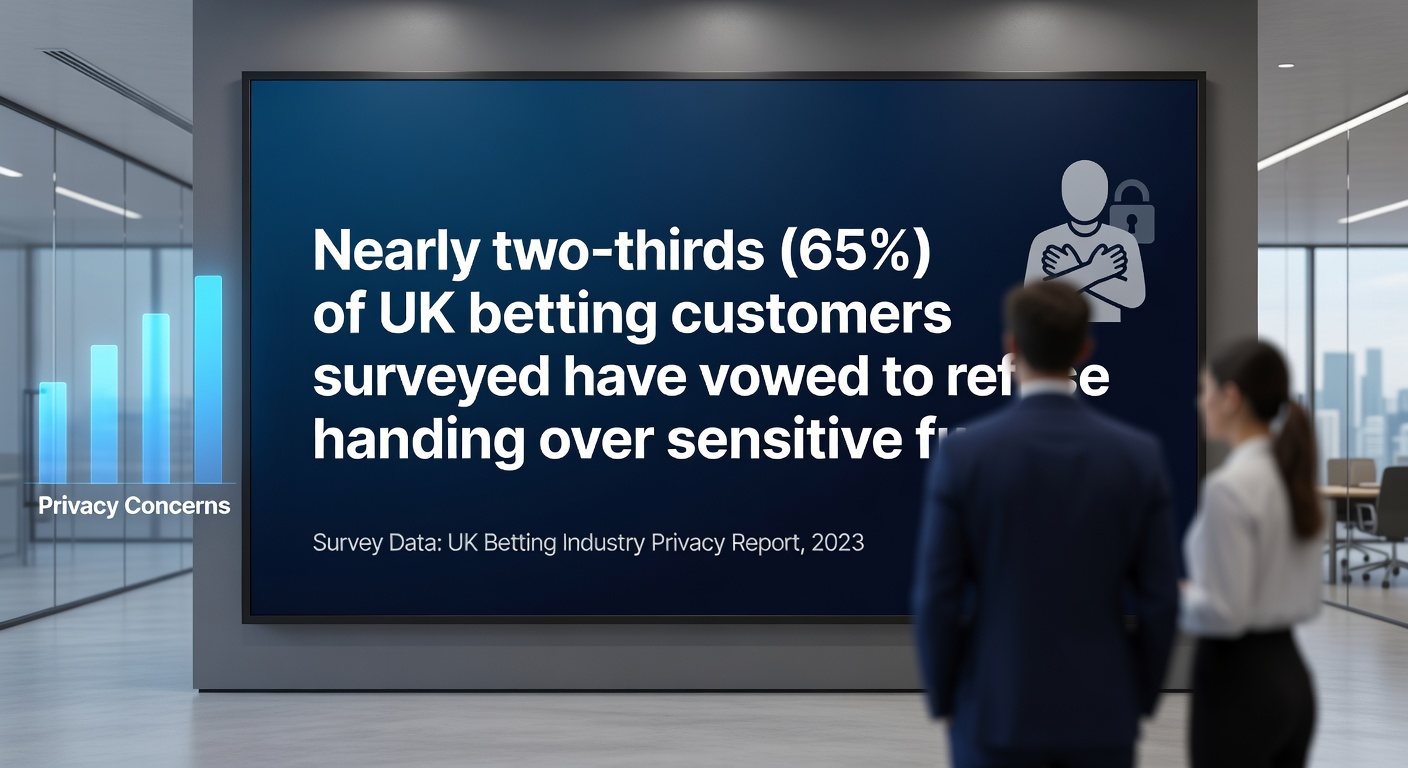
Proposed online gambling reforms by the Gambling Commission have ignited a firestorm among UK bettors, with nearly two-thirds vowing to withhold sensitive financial documents like bank statements; these checks, modeled after mortgage affordability assessments, aim to gauge spending capacity but have instead triggered widespread resistance. Data from a survey of more than 2,000 punters reveals that 65% of respondents flatly refuse to comply, citing privacy concerns and the intrusive nature of handing over personal banking records to verify gambling limits. And while regulators push forward with plans set to roll out aspects by April 2026, the betting community worries this could drive players underground, toward unregulated black market sites that offer no consumer protections whatsoever.
Turns out, the backlash isn't limited to casual punters; industry heavyweights are piling on too, warning of catastrophic ripple effects across sectors like horse racing, where betting revenue fuels operations and prize money alike. Observers note how these checks would require operators to request detailed financial proofs from high-spenders, potentially delaying bets or blocking access altogether, and that's before considering the administrative nightmare for bookmakers already navigating tight margins.
Unpacking the Mechanics of the Proposed Assessments
The Gambling Commission's blueprint resembles lender scrutiny for home loans, demanding bank statements, credit reports, or income proofs when punters exceed certain spending thresholds over a 12-month period; for instance, those wagering over £1,000 monthly might face requests for three months' worth of transaction data, while higher rollers could need full-year statements plus payslips. Research indicates operators must implement these by early 2026 phases, starting with enhanced frictionless checks before escalating to document verification, although critics argue the system overlooks disposable income nuances like one-off windfalls from football accumulators or horse racing each-ways.
But here's the thing: punters who've encountered similar ID verifications for withdrawals already grumble about delays, and scaling this to affordability could multiply frustrations exponentially, especially during live events like Premier League matches or Cheltenham Festival sprints where timing is everything. Experts who've studied regulatory shifts observe that such measures, while intended to curb problem gambling, often clash with the spontaneous appeal of sports betting, where quick stakes on tennis tiebreaks or cricket overs define the thrill.
Survey Data Lays Bare Bettor Sentiment
Figures from the punter poll paint a stark picture, showing 65% drawing a firm line against sharing financial details, with many opting instead to cap their own deposits or migrate to offshore platforms that skip such hurdles altogether. 65%—that's not a fringe view; it's the majority stance among a representative cross-section of UK betting customers, many of whom bet recreationally on everything from NBA comebacks to Royal Ascot finishes. And while a smaller cohort, around 20%, expresses tentative support if anonymized data suffices, the overwhelming refusal signals a potential exodus that could erode licensed market share overnight.
People who've tracked these polls point out how trust erosion plays in too, since past data breaches at major bookies have left scars, making folks hesitant to upload statements showing everyday spends alongside the odd £50 punt on a greyhound trap. What's interesting is the demographic split: younger bettors, glued to in-play odds on mobile apps, show even higher opposition rates, nearing 70%, whereas older regulars seem slightly more amenable, perhaps viewing it as a necessary evil akin to KYC for casino slots.
Horse Racing Stalwarts Unite in Fierce Opposition
Over 400 figures from Britain's horse racing ecosystem—trainers, owners, jockeys, and stable staff—have penned an open letter to Culture Secretary Lisa Nandy, imploring her to ditch the policy before it inflicts £250 million in damages to the sport over five years; that figure accounts for slashed betting turnover, which props up levy funds and media rights deals essential for sustaining 59 racecourses nationwide. The group highlights how affordability gates could deter casual punters from each-way bets on novices or win stakes in Classics like the Derby, ultimately starving prize pots that lure top international talent.
That said, the fiscal hit extends beyond tracks; projections warn of £200 million vanishing from HM Treasury coffers via forgone tax revenue, as bettors flock to unregulated apps bypassing UK duties altogether. Take one prominent trainer who led the charge: his yard relies on consistent wagering volumes to cover feed and vet bills, and with checks potentially freezing accounts mid-season, the knock-on effects could shutter smaller operations, echoing closures seen after prior stake limits on fixed-odds machines. Racing insiders, who've weathered levy disputes before, note the irony—government safeguards meant to protect vulnerable players might instead hobble a heritage industry generating billions annually.
Gambling Commission Insights Amplify Concerns
Separate research involving 12,000 frequent gamblers underscores the rift, with over three-quarters rejecting the checks outright, fueling fears of a black market surge where illegal operators thrive on lax verification and higher odds temptations. Data shows 76% of this cohort—high-volume bettors averaging weekly sessions—dread the paperwork burden, preferring self-limits or session timers over forensic financial dives that ignore contextual spends like holiday bonuses funding a Grand National flutter.
Now, regulators counter that phased rollouts, including AI-driven soft checks by April 2026, will minimize disruptions, yet the study's own findings reveal skepticism runs deep, particularly among those juggling multisport parlays across basketball totals and tennis handicaps. Observers who've parsed the numbers caution that non-compliance rates this high could mirror France's post-2010 reforms, where licensed turnover dipped 15% as punters pivoted to peer-to-peer rings and crypto sites evading oversight.
Economic Ripples and Black Market Shadows
The potential £250 million racing blow combines with broader levy shortfalls, threatening jobs from bookmakers to farriers, while Treasury losses underscore how regulated betting channels 16% of gross win to public funds; without them, illegal alternatives—often rife with match-fixing ties—fill the void, as seen in Eastern Europe's underground surges post-strict caps. And although the Commission touts safer gambling stats from trials, punter anecdotes highlight real-world snags, like a verified bettor denied access despite steady income, missing a lucrative live odds swing on a Wimbledon upset.
Yet for all the clamor, elements within the industry acknowledge affordability's intent—to flag at-risk patterns before debts spiral—stems from rising intervention data, with over 400,000 self-exclusions last year alone; still, the devil lies in execution, and current designs risk alienating the 95% who gamble responsibly, per prior Commission audits. Those tracking cross-border trends spot parallels in Ontario's 2022 igaming pivot, where heavy checks prompted a 20% offshore shift until tweaks eased data demands.
Navigating the Path Forward Amid Stalemate
As consultations drag into late 2025, stakeholders from Nandy's desk to Levy Board reps weigh compromises like tiered thresholds or third-party verification hubs, but the 65% refusal benchmark looms large, pressuring policymakers to recalibrate before April 2026 deadlines lock in irreversible changes. Racing's united front, bolstered by pollster evidence, has amplified calls for pilots excluding low-risk verticals like virtual sports or equestrian exotics, where bet sizes stay modest anyway.
So where does that leave the ecosystem? Bookies adapt by bolstering voluntary tools—deposit trackers, reality checks—hoping to preempt mandates, while punters sharpen strategies around promo free bets that skirt scrutiny. It's noteworthy how this standoff crystallizes tensions between protectionism and market freedoms, with horse racing's plight serving as a bellwether for slots, casino, and esports realms next in line.
Conclusion
The revolt against bank statement mandates crystallizes a pivotal clash in UK gambling's evolution, where 65% punter defiance and racing's £250 million peril underscore implementation pitfalls; Gambling Commission data on 12,000 voices amplifies black market risks, urging refinements to balance safeguards with accessibility. As April 2026 nears, the onus falls on dialogue to avert revenue hemorrhages and player flight, ensuring regulated betting endures as a vibrant, protected pastime rather than a relic sidelined by its own defenses.