UK Remote Gaming Duty Doubles to 40%: Operators Face 'Spiral Effect' with Shop Closures and Black Market Warnings
UK Remote Gaming Duty Doubles to 40%: Operators Face 'Spiral Effect' with Shop Closures and Black Market Warnings

The Tax Hike That Shook the Industry
On 1 April 2026, UK-licensed online casino and slots operators watched their Remote Gaming Duty (RGD) tax rate double overnight from 21% to 40%, a move that immediately stirred concerns across the sector; operators, already navigating tight margins, now grapple with sharply reduced revenues just as costs climb elsewhere. This change, targeting remote gambling activities like online slots and casino games, applies specifically to Gross Gambling Yield (GGY) derived from UK players, leaving land-based operations untouched for now but rippling through hybrid businesses that blend digital and physical betting.
What's interesting here is how quickly the fallout materialized; within weeks, major players started announcing cutbacks, signaling that the higher tax isn't just a line-item adjustment but a potential catalyst for broader contraction. Data from industry trackers reveals that pre-hike projections had already flagged vulnerabilities, yet the actual doubling caught many off guard, even though discussions had bubbled up in regulatory circles for months.
Evoke's Bold Moves: 200 Betting Shops Set to Close
Evoke, the parent company of storied brand William Hill, wasted no time responding to the 40% RGD burden; on announcements dated around late April 2026, they revealed plans to shutter 200 retail betting shops beginning 24 May 2026, a decision tied directly to squeezed online revenues forcing a rethink of their high-street footprint. These closures, affecting locations up and down the UK from bustling city centers to suburban strips, come alongside vows to slash marketing budgets and trim staff numbers, moves that experts say reflect a survival strategy amid the tax squeeze.
And it's not just Evoke acting alone; other operators echoed similar intentions, with reports indicating widespread preparations for marketing reductions and headcount adjustments that could ripple through thousands of jobs. Take one case where a mid-sized firm, facing the same 40% hit, opted to pause digital ad campaigns entirely, betting instead on organic player retention while retail partners brace for footfall drops. The reality is, when online profits evaporate under higher duties, physical shops that once complemented digital growth suddenly become liabilities, prompting these swift, painful pivots.
The 'Spiral Effect' Explained: A Vicious Cycle Unfolds
Central to the unfolding drama stands the so-called "spiral effect," a term gaining traction among industry watchers whereby initial revenue drops from the 40% RGD trigger cost-cutting measures that, in turn, further erode taxable income through lost marketing pull and reduced player engagement; it's a feedback loop where less spent on acquisition means fewer new customers, leading to even slimmer GGY figures down the line. According to detailed analysis in a Next.io report, this dynamic risks turning a tax revenue windfall into a long-term bust, as operators pull back precisely when visibility matters most.
Observers note how previous tax tweaks in other markets produced similar patterns; for instance, one European jurisdiction saw a 10% duty rise correlate with a 15% dip in overall sector GGY over 18 months, as firms dialed down promotions and players migrated to untaxed alternatives. In the UK context, with online casinos already competing fiercely for slots enthusiasts, the spiral threatens to accelerate player churn, especially since the 40% rate now dwarfs rates in places like Malta or Gibraltar where operators might relocate operations.
Expert Voices Raise Alarms: Black Markets and Tax Yield Shortfalls
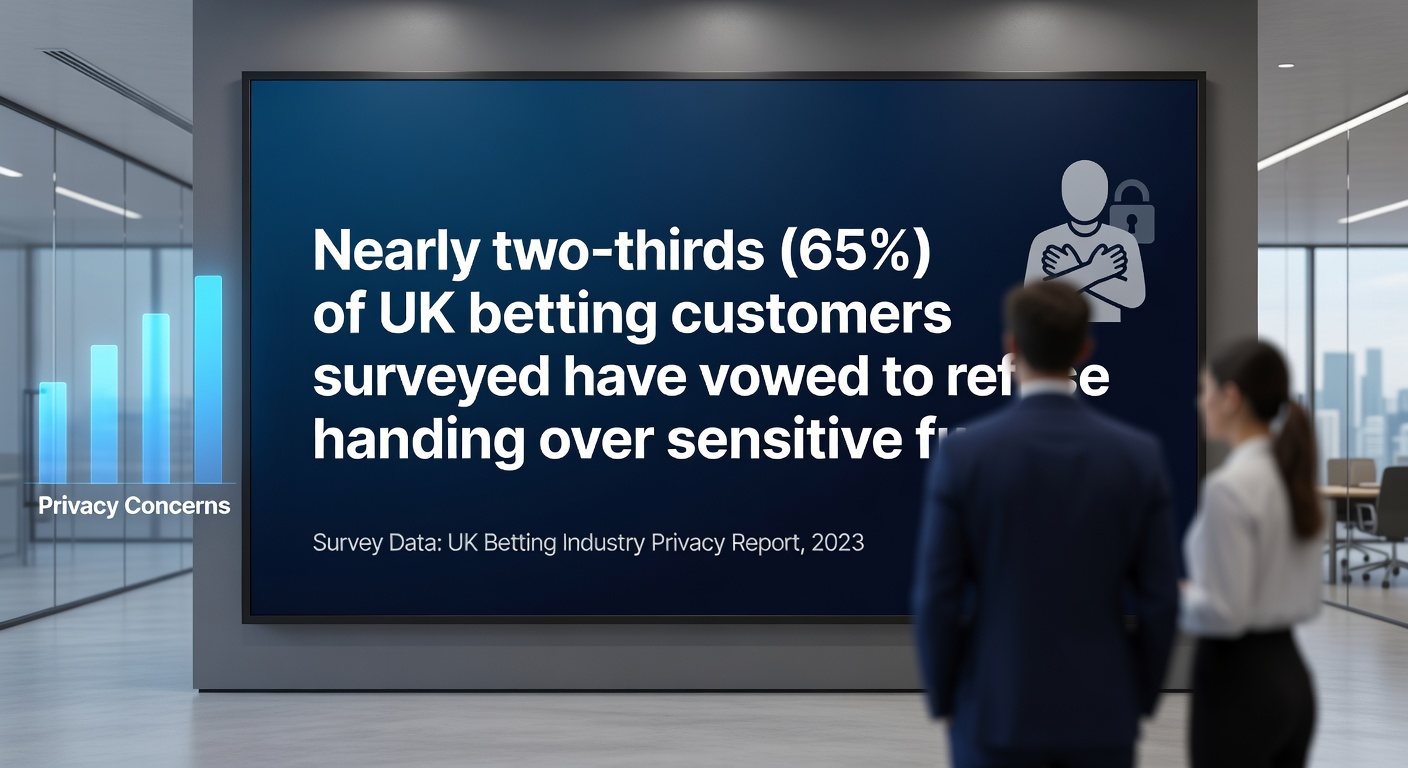
Regulatory consultant Dan Waugh, speaking out amid the chaos, warns that the doubled RGD could inadvertently fuel black market growth as licensed operators struggle, pushing risk-tolerant players toward unregulated sites offering better odds and no tax drag; he points to historical precedents where sharp tax hikes in Scandinavia drove a 20% shift to offshore platforms within a year. Figures from the Office for Budget Responsibility (OBR) back this up, forecasting that while short-term tax hauls might spike, longer-term yields could undershoot targets by as much as 25% if the spiral takes hold fully.
But here's the thing: the OBR's projections hinge on behavioral shifts that are already evident; with Evoke's 200 shop closures just the tip, industry-wide staff cuts mean fewer compliance checks and slower innovation in safer gambling tools, potentially eroding trust and driving more activity underground. Those who've studied gray markets observe how they thrive on precisely these gaps, luring slots players with unchecked bonuses and faster payouts that licensed sites, hamstrung by 40% duties, can't match without bleeding red ink.
Industry-Wide Ripples: From Marketing to Player Behavior
Across the board, the 40% RGD prompts a reevaluation of business models; operators, facing halved take-home from online casino GGY, now scrutinize every spend, from affiliate partnerships to loyalty programs that once kept slots spinners hooked through tailored promotions. One study highlighted in regulatory filings shows that marketing typically accounts for 25-30% of operator budgets, so widespread cuts here could slash new player sign-ups by double digits, exacerbating the spiral as retained customers alone fail to offset losses.
Yet players feel it too; with fewer bonuses floating around due to trimmed ad spends, engagement dips, and some migrate to peer-to-peer apps or crypto casinos operating beyond UK jurisdiction, where the taxman has no reach. It's noteworthy that hybrid firms like Evoke, blending William Hill's retail legacy with digital arms, suffer most acutely, as shop closures sever synergies that once buffered online volatility. And while land-based casinos dodge the RGD bullet, their slots floors might see quieter nights if online alternatives dry up under the weight of 40% levies.
- Key impacts include 200+ retail closures starting May 2026;
- Marketing budgets slashed industry-wide, curbing player acquisition;
- Staff reductions risking service quality and compliance;
- Potential black market surge as forecasted by experts.
Looking Ahead: Can the Sector Stabilize?
As May 2026 approaches with Evoke's closures looming, questions swirl about mitigation steps; some operators explore tech efficiencies like AI-driven retention to offset marketing gaps, while lobbying groups push for duty carve-outs on responsible gambling initiatives. The OBR's outlook suggests that without tweaks, the 40% RGD might deliver less than hoped, especially if black market encroachments siphon high-value slots traffic.
Turns out, the ball's in the government's court now; regulators monitor GGY trends closely, but early data from April paints a stark picture of revenue softening even before full cost adjustments hit. People in the know predict a leaner, more consolidated industry emerging, where survivors double down on premium experiences, yet the spiral effect's shadow lingers large.
Conclusion
The Remote Gaming Duty's jump to 40% from 1 April 2026 marks a pivotal shift for UK online casinos and slots, igniting immediate responses like Evoke's 200 shop closures from 24 May, marketing pullbacks, and staff trims that feed into the feared spiral effect; experts such as Dan Waugh and OBR forecasts highlight risks of black market growth alongside potentially lower tax yields overall. While operators adapt through belt-tightening, the coming months will reveal if this tax doubling yields fiscal gains or unintended contractions, with the industry's resilience tested like never before.